

How to Build Muscle Naturally Without Anabolic Steroids
Learn how to build muscle without steroids through effective workouts, proper nutrition, recovery, and carefully chosen natural supplements.
Updated On Nov 13, 2026
Building muscle takes more than lifting heavy weights or buying the latest bodybuilding supplements. The real progress comes from following a workout routine you can stick to, eating enough of the right foods, and giving your body time to recover. You don't need anabolic steroids to start seeing improvements in strength, muscle size, and overall fitness.
If your goal is to build muscle without steroids, the key is understanding what actually works and avoiding shortcuts that promise unrealistic results. Natural muscle growth may take patience, but consistent training and good nutrition can help you develop a stronger physique over time.
In this guide, you will learn how to design your workouts, determine your daily protein intake, improve your recovery, and get the most out of muscle-building supplements. We will also compare legal steroid alternatives and natural SARM alternatives, enabling you to make better, well-informed decisions as you pursue your muscle-development goals.

1. How Natural Muscle Growth Works
Your muscles adapt to the demands you place on them. When resistance training challenges your muscles, your body responds by repairing and adapting the affected tissue, provided you give it adequate nutrition and recovery time.
That process takes patience. You may notice improvements in strength before you see major changes in your physique, especially during your first few months of training.
Your genetics, training experience, age, diet, and consistency all influence the results you achieve. Instead of comparing yourself with enhanced bodybuilders online, focus on becoming stronger and healthier than you were last month.
2. Build Muscle With Strength Training
A well-planned workout routine matters far more than finding a supposedly secret muscle-building exercise. Beginners can make solid progress with three full-body sessions per week, while experienced lifters may prefer a different split that suits their schedule.
Build your routine around exercises such as squats, presses, rows, pull-ups, and deadlift variations. Add movements like biceps curls, lateral raises, and triceps extensions when you want to give individual muscles more attention.
Gradually increase repetitions, resistance, or training volume as your performance improves. Keep your technique controlled, and don't sacrifice good form simply to lift a heavier weight.
Rest days are part of the program, not wasted time. If you're new to lifting, start with manageable weights and learn proper technique before pushing your limits.
Read Also: The Role of Steroids in Bodybuilding: Benefits and Drawbacks
3. Eat for Muscle Growth
You can train hard and still struggle to gain muscle if you're not eating enough. Your body needs sufficient energy, protein, carbohydrates, fats, vitamins, and minerals to support training and recovery.
For healthy adults who regularly lift weights, around 1.4–2.0 grams of protein per kilogram of body weight per day is a useful evidence-based range. Someone weighing 70 kg, for example, could aim for approximately 98–140 grams daily, depending on individual needs.
Eggs, dairy products, chicken, fish, paneer, tofu, lentils, beans, and soy foods can all contribute to your daily protein intake. Protein powder is optional if you can comfortably meet your needs through ordinary meals.
If gaining muscle is your priority, begin around your maintenance calories or try a modest calorie surplus if needed. Rice, oats, potatoes, whole grains, fruit, vegetables, nuts, and healthy fats can help you build balanced meals without relying on expensive bodybuilding products.
4. Don't Overlook Sleep and Recovery
It's tempting to assume that more gym time automatically means more muscle. In reality, repeatedly training hard without enough recovery can leave you fatigued and make it harder to maintain performance.
Most adults should aim for seven to nine hours of sleep each night. A regular bedtime, adequate food intake, and sensible spacing between demanding workouts can make your routine easier to sustain.
Pay attention to persistent soreness, declining strength, and poor sleep. These can be signs that your current workload needs adjusting rather than another supplement or a more intense workout.
5. Natural Supplements Worth Considering
Supplements can be useful, but they shouldn't be the starting point. First establish a consistent training schedule and a diet that supports your goals. Then consider whether a particular product solves a genuine problem in your routine.
Creatine monohydrate is one of the most extensively studied sports supplements and can improve performance during repeated high-intensity exercise. Protein powder can help when food alone doesn't provide enough protein, while caffeine may improve workout performance for some people but can interfere with sleep.
Be skeptical of products promising dramatic muscle growth in a few weeks. Check ingredient labels, look for credible quality testing, and consider potential interactions or side effects before using a supplement.
6. What About Legal Steroid Alternatives?
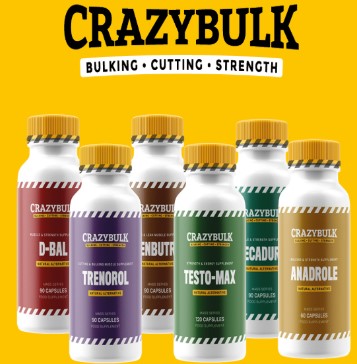
Products described as legal steroids online attract attention because they promise bodybuilding benefits without traditional anabolic steroid use. However, the label can be misleading: a product being marketed as legal doesn't establish its effectiveness, safety, or similarity to prescription anabolic drugs.
Before spending money on these products, look at the actual ingredients and the evidence supporting their claimed benefits. Marketing language, customer testimonials, and impressive product names aren't substitutes for reliable research.
If you want to explore this category, read our guide to legal steroid alternatives and bodybuilding supplements. It provides a related resource for researching products marketed to people interested in strength and muscle development.
Keep your expectations realistic. A supplement may support a specific aspect of your routine, but it cannot guarantee steroid-like results or compensate for inconsistent training.
7. Understanding SARM Alternatives
SARMs, or selective androgen receptor modulators, are different from ordinary dietary supplements. Some products are promoted for bulking, cutting, or improving body composition, but unapproved SARMs can carry significant health risks and uncertain long-term effects.
Products advertised as natural SARM alternatives also vary considerably in their ingredients and evidence. Don't assume that a product is effective simply because its name suggests a safer or more natural option.
Our guide to natural supplements marketed as SARM alternatives for bulking and cutting offers a relevant next step for readers researching this category.
Evaluate individual ingredients carefully, and avoid unapproved performance-enhancing drugs. If you have concerns about hormones or muscle development, seek advice from a qualified healthcare professional instead of attempting to self-treat.
8. Why Avoid Anabolic Steroids?
Anabolic steroids can increase muscle mass, but nonmedical use may also cause hormonal problems, reduced fertility, acne, mood changes, cardiovascular complications, and other serious adverse effects. The risks vary with the substance, dose, duration of use, and individual health factors.
Natural bodybuilding takes longer, but it allows you to focus on sustainable training habits without deliberately exposing yourself to the risks of nonmedical anabolic drug use.
When comparing bodybuilding products, remember that supplements and anabolic drugs aren't interchangeable. Be especially cautious of products with undisclosed ingredients or claims that sound too good to be true.
9. Track Your Results
Don't judge your progress by the mirror alone. Keep a basic workout log, record your lifts, and monitor body weight or measurements periodically under similar conditions.
Look for gradual improvements rather than daily changes. If your strength has stalled, review your technique, training volume, calorie intake, protein consumption, and sleep before making major changes.
Consistency beats constantly switching programs. Give a sensible plan enough time to work, then adjust it based on your results and recovery.
10. Final Thoughts: Build Muscle Without Steroids
Building muscle naturally comes down to a few reliable habits: train progressively, eat enough to support your goals, get adequate protein, sleep well, and allow your body to recover.
Supplements may have a role, but they're an addition to the process rather than a shortcut. Start with the basics, research products before buying them, and measure success by the progress you can maintain over time.
You don't need to chase every new bodybuilding trend. A realistic plan followed consistently is a better foundation for long-term muscle growth.
